2025-2026 Impact Report
We lead. We develop. We collaborate. Driving access to recovery.
Message from CEO
What’s Inside
- Introduction to Central Florida Behavioral Health
- Contract Renewal and Strategic Planning
- Commission on Accreditation of Rehabilitation Facilities (CARF)
- Consumer Satisfaction Surveys
- Quality Focus
- Redesigned Website Launch
- Consumer & Family Affairs – RCOs and Peer Training
- Prevention and Messaging
- Specialized Behavioral Health Programs
- Specialized Behavioral Health Programs for Families and Children
- Mobile Response Teams and 988 Suicide & Crisis Lifeline
- School Project
- Care Coordination
- Finance
- Staff Thank You
Contract Renewal and Strategic Planning
Key Organizational Achievements
CFBHN successfully renewed its Managing Entity contract for the SunCoast Region, extending our leadership into the new fiscal year. This milestone reflects the organization’s strong performance in managing a complex behavioral health system and reinforces our commitment to advancing innovative, person-centered services across the region.
Looking Ahead
Together, these initiatives position CFBHN to build on its momentum, strengthen partnerships, and continue advancing a responsive, resilient, and recovery-oriented behavioral health system for the SunCoast Region through 2030 and beyond.
Vision 2030
Immersive two-day Event.
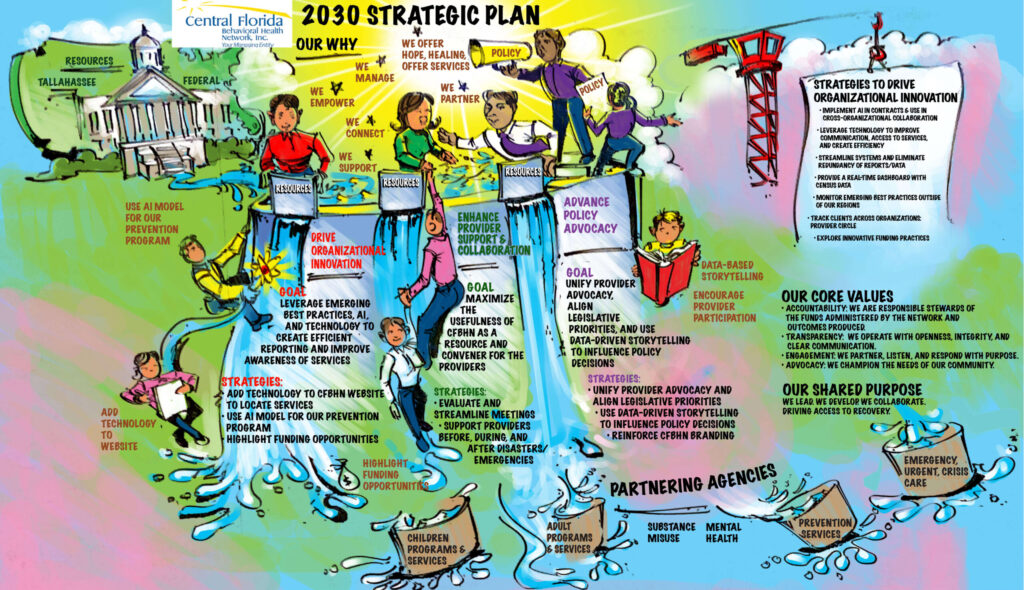
Vision 2030 Strategic Planning Initiative
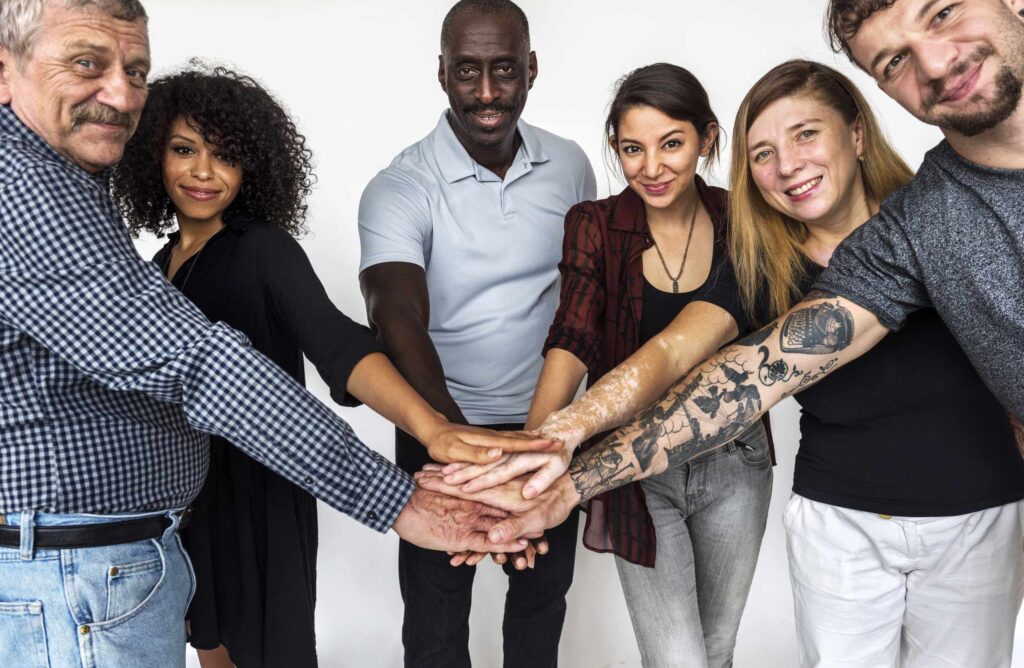
In November 2025, CFBHN leadership, board members, and key stakeholders convened at Collaborative Labs at St. Petersburg College to launch Vision 2030, a strategic planning initiative designed to shape the organization’s long-term priorities, strengthen system impact, and guide future growth.
Refreshed Organizational Identity
As part of the Vision 2030 process, CFBHN reaffirmed its Mission while establishing new Values and Shared Purpose statements. These enhancements provide a renewed framework for decision-making, organizational culture, collaboration, and service excellence.
From Strategy to Action
Following the strategic planning sessions, CFBHN implemented a structured series of weekly leadership touch points to develop and execute 100-Day Action Plans. These plans focus on key priorities, including driving organizational innovation, enhancing provider support, strengthening operational effectiveness, and expanding advocacy efforts on behalf of the behavioral health communities we serve.
Quality, Accountability and Continuous Improvement
Commission on Accreditation of Rehabilitation Facilities.
CFBHN is accredited through June 30, 2028
Learn more
CARF Re-accreditation
CFBHN has maintained accreditation as a Behavioral Health Network through the Commission on Accreditation of Rehabilitation Facilities (CARF) since 2012. In November 2025, the organization successfully completed its fifth re-accreditation review, which included a comprehensive three-day on-site evaluation of policies, procedures, performance data, quality improvement activities, and interviews with staff and Network Service Providers. As a result, CFBHN’s accreditation was renewed through June 30, 2028, affirming the organization’s commitment to quality, accountability, and excellence in behavioral health system management.

CFBHN collected over 14K Satisfaction Surveys
Learn more
Community Persons Served Satisfaction Surveys
Measuring the experiences of individuals and families served throughout the network remains a critical component of CFBHN’s quality improvement efforts. CFBHN collected 14,066 Community Persons Served Satisfaction Surveys (CPSSS) from individuals receiving services through 26 Network Service Providers, achieving 122.7% of the annual target of 11,465 surveys.
Survey results demonstrate a consistently high level of satisfaction among both adults and children receiving behavioral health services across the network.
Percent of Respondents Reporting “Agree” or “Strongly Agree”
about my care.
These results highlight the network’s continued focus on person-centered care, shared decision-making, respect for individual needs, and positive treatment outcomes for the individuals and families we serve. Adult responses include individuals age 18 and older, their parent/guardian, or personal representative. Child responses include individuals under age 18, their parent/guardian, or representative.
Quality Focus
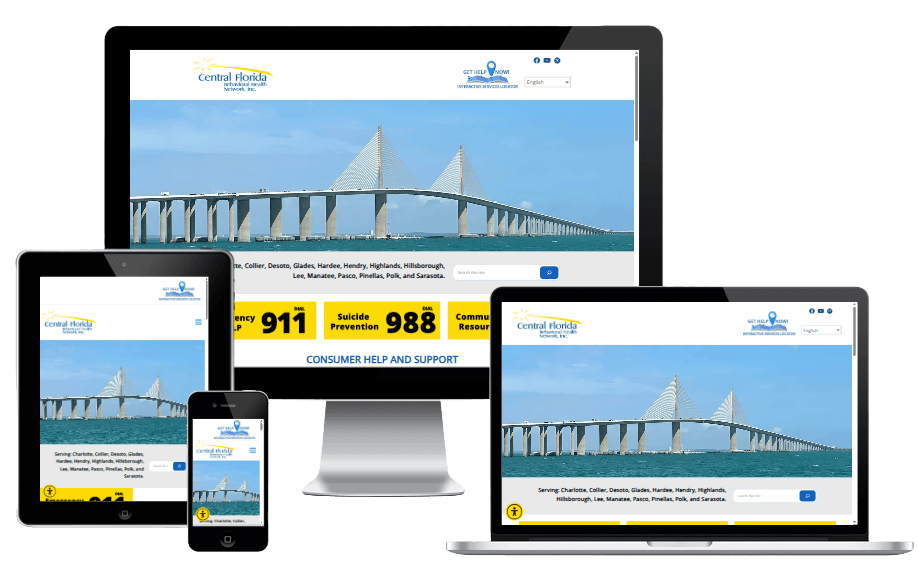
Redesigned Website Launch
CFBHN.org
- Improved Accessibility & Navigation: User-friendly design for easier access to behavioral health resources.
- Dynamic Footer Tabs: Quick access to essential information and services.
- Hope4SunCoast Integration: Seamless connection to the new Hope4SunCoast platform.
- Service Locator: Helps users find nearby adult and children’s behavioral health services.
- Intuitive Graphic Navigation: Large, visual buttons guide users directly to key programs and resources.
- Consumer-Focused Experience: Streamlined access for individuals, families, providers, and community partners.

Consumer & Family Affairs
Peer Workforce Development & Recovery Support
Building on the model’s success, CFBHN expanded the initiative into a comprehensive Peer Workforce Development Model that includes mentorship and post-training support to improve certification and employment outcomes.
Learn more
Prevention: Building Healthier Communities
CFBHN’s Prevention Team works with providers and community coalitions across the SunCoast Region to prevent substance misuse, promote healthy behaviors, and strengthen community well-being.
Prevention Services Reach and Impact
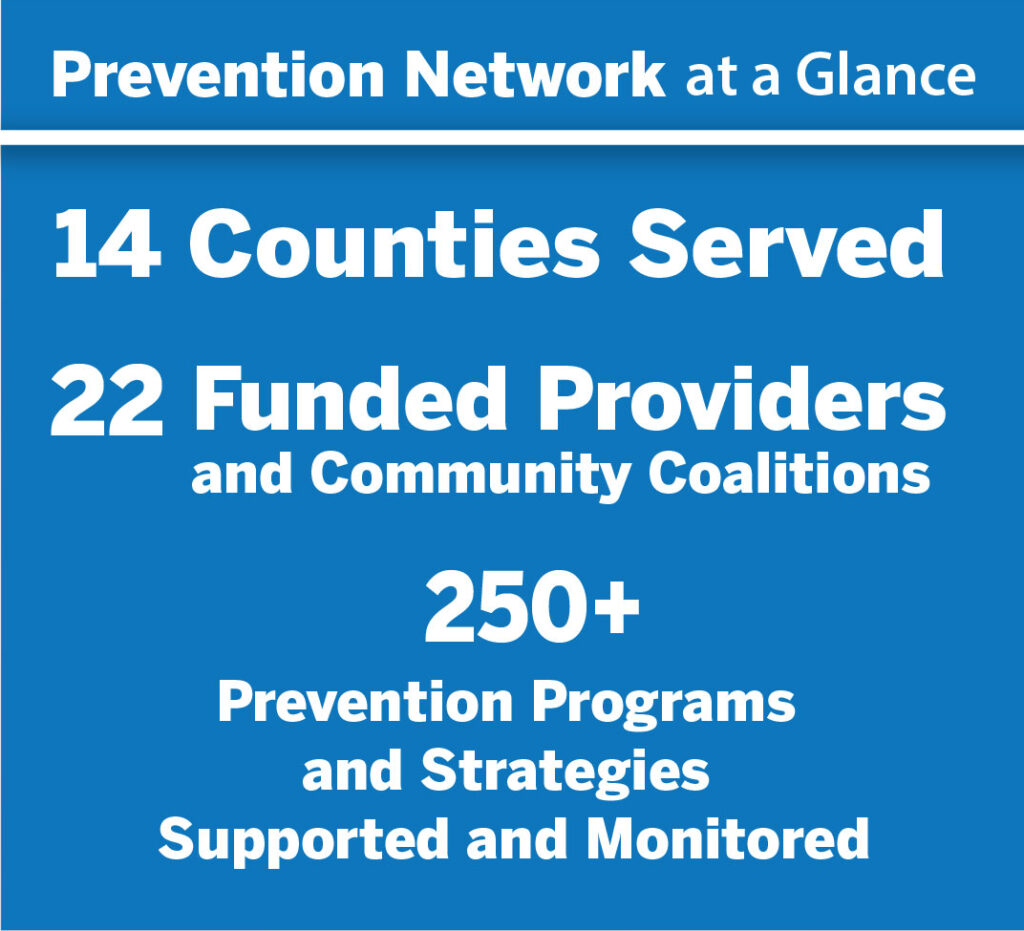
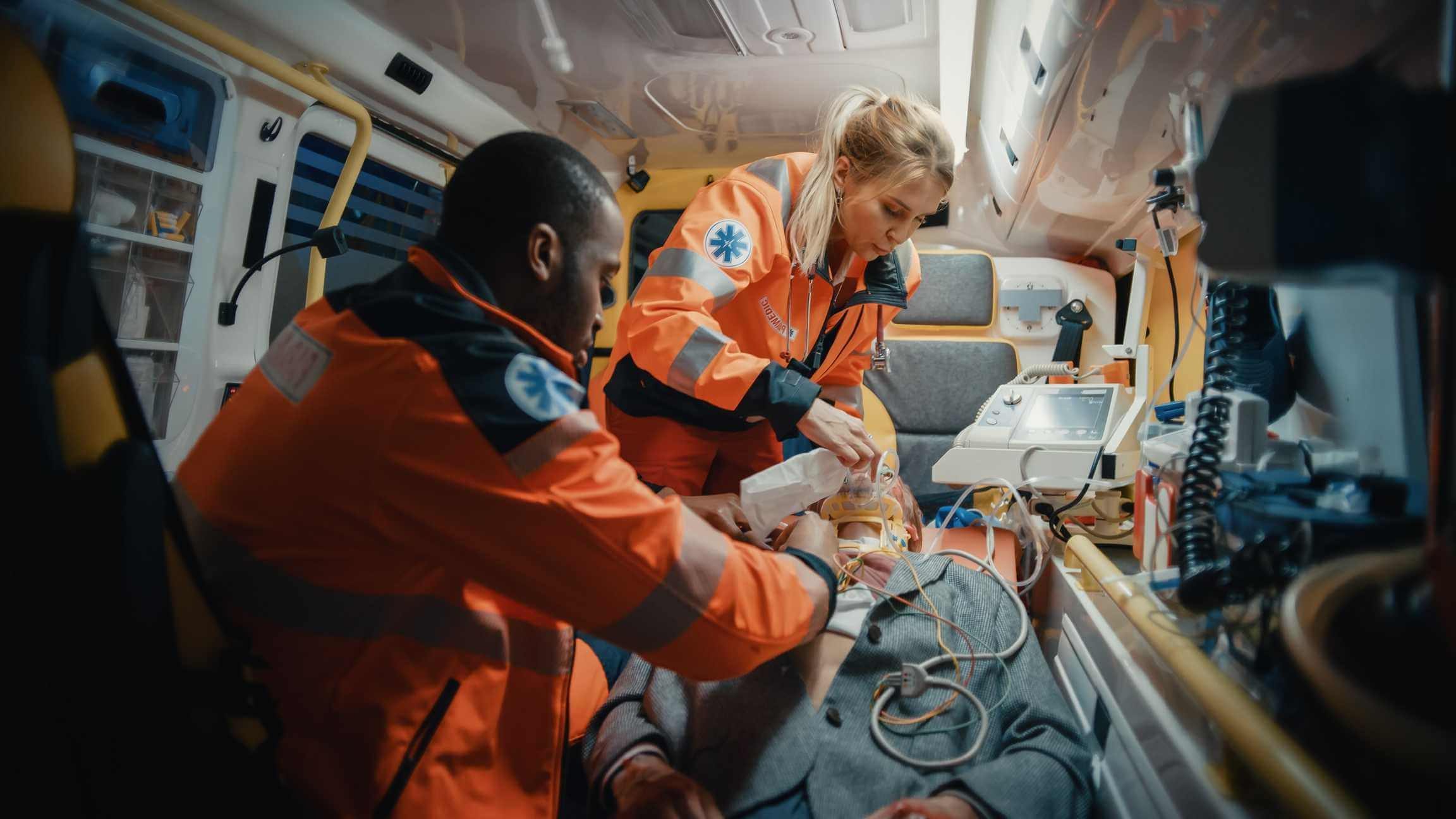
Through strategic partnerships, community engagement, public awareness campaigns, and prevention services, CFBHN continues to advance healthier, safer, and more resilient communities across the SunCoast Region.
Regional Prevention Messaging Campaigns
CFBHN manages and promotes evidence-based prevention campaigns throughout the network reaching over 649,678,482 impressions in the geographic area.
Campaigns include:
Talk. They Hear You.
Encouraging parents and caregivers to have meaningful conversations with youth about alcohol and substance use.
Use Only as Directed.
Promoting the safe and responsible use of prescription medications.
There is Hope. Recovery is Possible.
Sharing the message that recovery is achievable and that hope, support, and treatment can help individuals build healthy, meaningful lives.
Specialized Behavioral Health Programs
Hospital Bridge Program: Connecting Individuals to Treatment
Learn more
- 1,464 individuals received FACT services.
- 169 new admissions were enrolled in FACT programs.
- 186 individuals successfully transitioned from services.
- 286 referrals were made to State Mental Health Treatment Facilities (SMHTFs).
- 122 hospital diversions helped individuals remain in community-based care whenever appropriate.
These services continue to reduce unnecessary hospitalization while promoting recovery, independence, and community integration.
- 8,765 individuals were screened for substance use disorders.
- 1,686 individuals were identified with Opioid Use Disorder (OUD).
- 681 Medication-Assisted Treatment (MAT) inductions were completed.
- 854 individuals enrolled in MAT services.
- 1,678 individuals entered non-MAT substance use treatment programs.
- 1,570 naloxone kits were distributed to reduce overdose risk and support recovery.
These efforts strengthened access to treatment and improved continuity of care throughout the region.

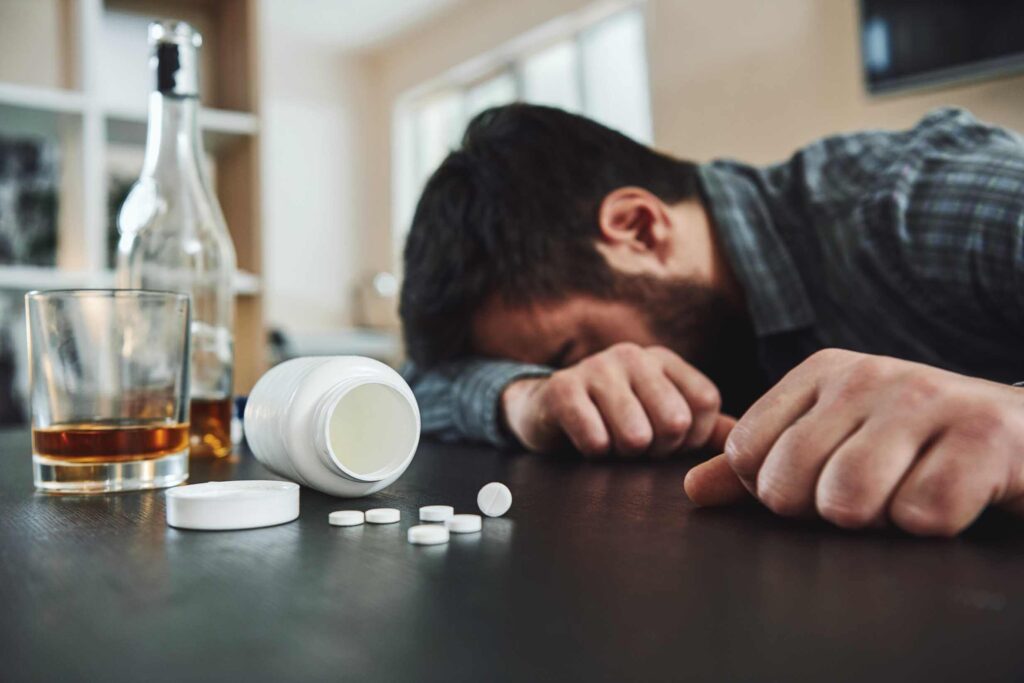
CORe Network: Expanding Access to Opioid Treatment and Recovery
Learn more
Funded through Florida’s Opioid Settlement Trust Fund, the Coordinated Opioid Recovery (CORe) Network strengthens access to treatment, recovery support, and coordinated care across all 14 counties served by CFBHN.
- 23,744 individuals with substance use disorders received services through CORe clinics.
- 12,353 individuals were identified with Opioid Use Disorder.
- 10,495 individuals received Medication-Assisted Treatment.
- 4,069 MAT inductions were completed.
- 5,094 individuals engaged with Peer Specialists.
- 4,534 individuals were successfully connected from 24/7 access points to treatment providers.
Together, these programs reflect CFBHN’s commitment to creating a comprehensive continuum of care that supports recovery, strengthens communities, reduces hospitalizations and incarceration, and improves outcomes for individuals living with mental health and substance use disorders.
Specialized Behavioral Health Programs for Families and Children
Family Intensive Treatment (FIT)
Substance use disorders + child welfare involvement
Completed treatment
caregiver
capacities

Community Action Team (CAT)
- 7 provider organizations
Learn more
(CAT) Key Highlights
School
Individual Functioning
Mobile Response Team and 988 Suicide and Crisis Lifeline
25 min average
response time
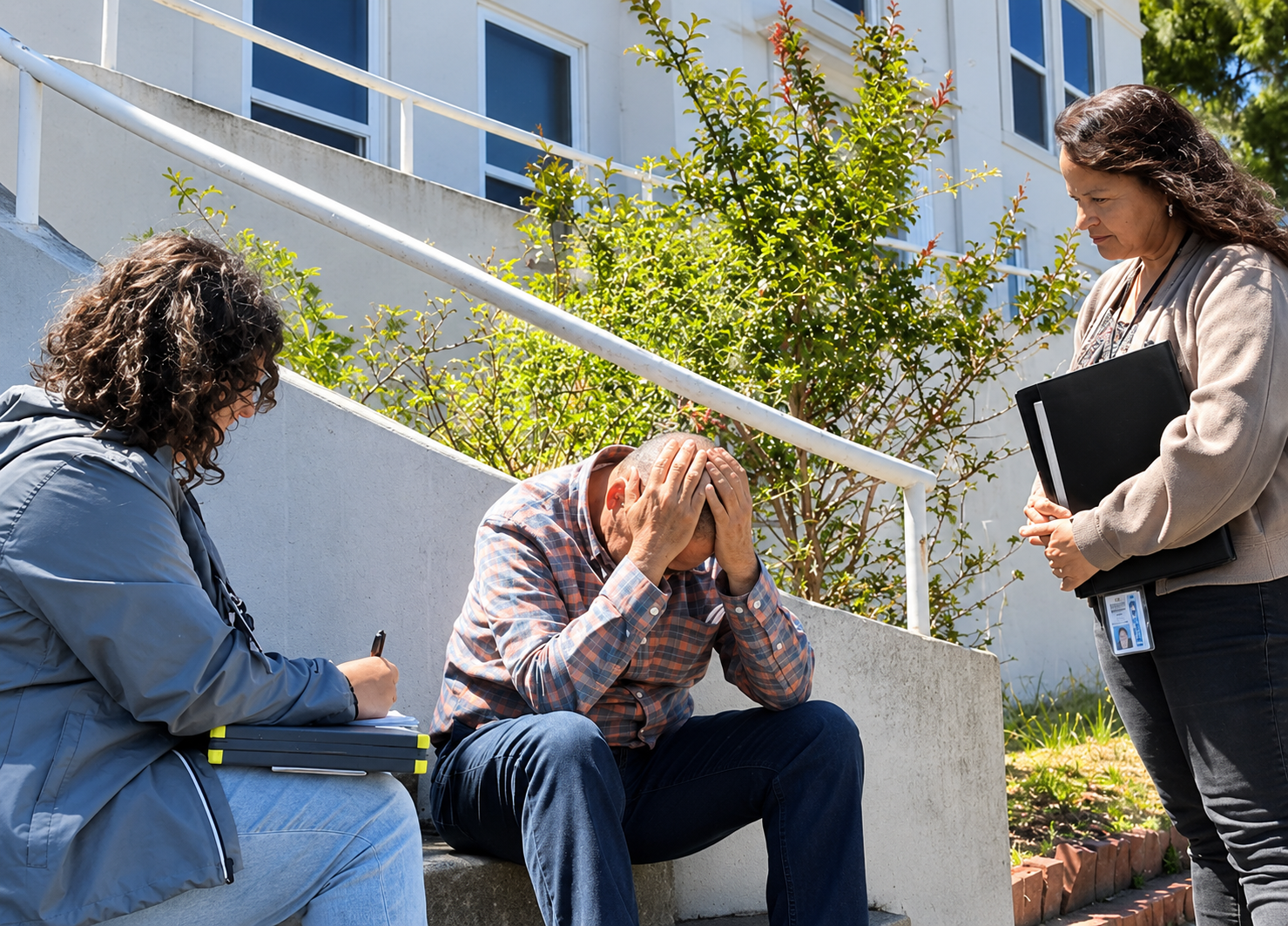
Mobile Response Teams (MRT): Bringing Crisis Care to the Community
Mobile Response Teams (MRTs) provide rapid, 24/7 behavioral health crisis intervention in homes, schools, workplaces, and community settings, helping individuals receive immediate support while reducing unnecessary hospitalizations and involvement with the criminal justice system.
Learn more
MRTs across the CFBHN service area responded to 12,854 crisis calls, serving 9,915 unduplicated individuals. The teams successfully diverted 4,244 behavioral health crises from higher levels of care, achieving a 76% diversion rate and helping individuals remain safely in their communities. MRTs also exceeded the statewide average response time, arriving in an average of 25 minutes, compared to the Florida average of 28 minutes.
Through crisis assessment, de-escalation, safety planning, care coordination, and connection to ongoing services, Mobile Response Teams play a critical role in ensuring that individuals experiencing behavioral health emergencies receive timely, effective, and recovery-focused support when and where it is needed most.
Impact at a Glance
- 12,854 Crisis Calls Responded To
- 9,915 Unduplicated Individuals Served
- 4,244 Crisis Diversions
- 76% Diversion Rate
- 25-Minute Average Response Time
- 3 Minutes Faster Than the Statewide Average
988 Suicide & Crisis Lifeline
Received almost 62,000 calls from across the network.
Learn more
The 988 Suicide & Crisis Lifeline provides 24/7 support for individuals experiencing mental health, substance use, or emotional crises. Through CFBHN’s network of providers, the region continues to strengthen access to crisis services through expanded capacity, improved data reporting, accreditation achievements, and enhanced collaboration with multidisciplinary teams.
Impact at a Glance
- 61,863 calls received across the region
- 13,471 chat contacts answered (October 2025-July 2026)
- 4 Network Service Providers delivering 988 services
- 1 provider expanded to 24-hour service
- 2 providers achieved accreditation
- 1 provider designated as a National Backup Chat and Text Center
- Enhanced coordination with multidisciplinary teams and improved regional data reporting
By strengthening the 988 continuum of care, CFBHN and its provider network continue to ensure that individuals in crisis have timely access to compassionate support, local resources, and appropriate behavioral health services when they need them most.

School Project in Hillsborough County

Hillsborough County School Voucher Program
CFBHN’s School Voucher Program continues to expand access to behavioral health services for students throughout Hillsborough County by connecting children and families with counseling, psychiatric care, case management, family therapy, and group services delivered in schools, homes, and through telehealth.
Learn more
Student Demographics
The program received referrals for 1,002 males and 971 females. Elementary-aged students represented the largest group referred for services, accounting for 961 referrals, with 4th-grade students generating the highest number of referrals. Middle school students accounted for 510 referrals, while high school students accounted for 502 referrals.
Through a strong partnership with Hillsborough County Public Schools and its District Clinical Team, CFBHN helps ensure that students receive timely, coordinated support that promotes academic success, emotional well-being, and family stability.
1,973 referrals were received through the School Voucher Program, with services provided to 4,463 students across the district. Since 2019, the program has received more than 12,300 referrals, demonstrating the growing need for school-based behavioral health services and the value of early intervention.
To meet the diverse needs of students and families, CFBHN partnered with nine provider agencies, delivering services in 133 schools throughout the county. Participating agencies offer support in multiple languages, including Spanish, Portuguese, Arabic, Russian, and Creole, helping reduce barriers to care and ensuring services are accessible to culturally diverse communities.
Highlights
- 4,463 students served
- 1,973 referrals received
- 133 schools with a paired therapist
- 9 contracted provider agencies
- Services available onsite, in-home, and through telehealth
- Multilingual services provided in numerous languages
The impact of the program is reflected in the experiences of the students and families it serves. One parent shared the following message with a participating therapist:
“Thank you for taking the time to connect with and truly see our son and for showing him how to grow and thrive. We are so grateful to work with you and are already looking forward to continuing our progress together over the summer.”
This feedback highlights the vital role school-based behavioral health professionals play in helping children and families build resilience, overcome challenges, and achieve positive outcomes both in and out of the classroom.
Care Coordination

CFBHN invests in innovative programs that empower individuals with serious mental illness and other behavioral health challenges to achieve recovery, independence, and lasting success. Care Coordination is a vital part of this continuum, connecting individuals and families with the treatment, resources, and supports they need to improve outcomes and quality of life.
Learn more
Coordinators helped participants strengthen their recovery through outpatient treatment, aftercare services, 12-step programs, clubhouses, and probation-related services. Learn more….(The program also helped 193 individuals experiencing or at risk of homelessness secure stable housing. Together, these coordinated efforts contributed to a 6% acute care readmission rate—well below the statewide rate of 11%—demonstrating the impact of sustained, community-based support and care management)
Together, these programs demonstrate CFBHN’s commitment to person-centered care that advances recovery, independence, family stability, and quality of life across the lifespan.
Contracts & Finance Impact
The Contracts and Finance Departments are critical to CFBHN’s ability to efficiently manage public resources and support behavioral health services throughout the region.

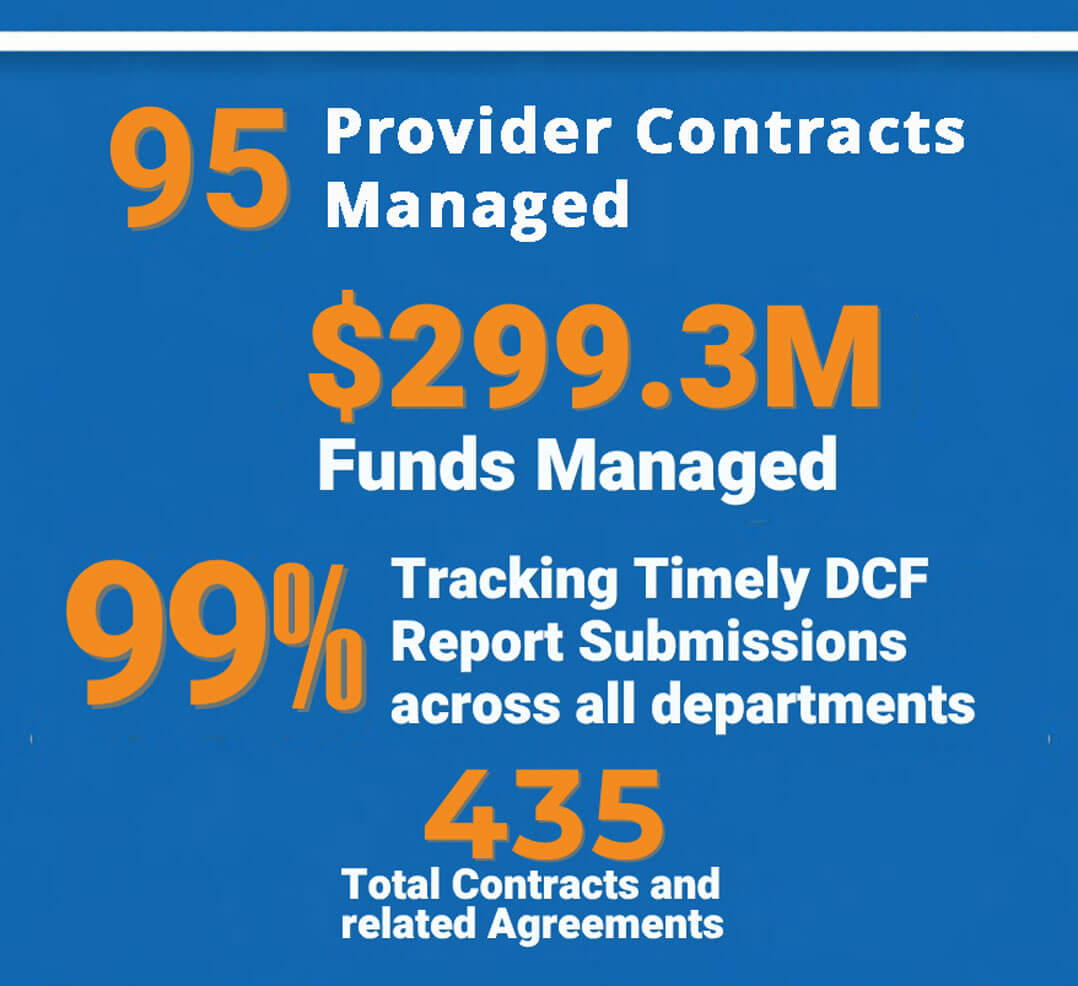
During the fiscal year, the Contracts Department successfully managed 95 provider contracts, ensuring the timely development, review, execution, and amendment of agreements. By streamlining contract processes and rapidly executing amendments, the department enabled providers to access funding more quickly and begin delivering essential services without delay.
The Finance Department provided oversight of a $299.3 million budget, ensuring responsible stewardship of public funds through comprehensive financial monitoring, reporting, reconciliation, and compliance activities.
Together, the Contracts and Finance Departments maintained accountability, transparency, and operational efficiency while supporting providers in meeting contractual requirements and delivering quality behavioral health services.
Their efforts helped maximize the impact of public investments and ensure timely access to care for individuals and families across the CFBHN network.
CFBHN Staff
Thank You
The progress highlighted in this report is made possible thanks to the dedication of our providers, Board members, staff, stakeholders and our partners at the Department of Children and Families.
To learn more about CFBHN’s initiatives, services, and ongoing impact, visit CFBHN.org, subscribe to our newsletter, and connect with us on social media.
Together we can make a difference through our Shared Purpose: We lead. We develop. We collaborate. Driving access to recovery.